


Designers know this well: the layout phase is where everything can either come together or fall behind. From client feedback to build schedules, every delay adds pressure. And when it comes to modular fixtures, the faster they go in, the faster everything else can follow smoothly and without unnecessary setbacks.
That’s why more design teams are turning to modular fixtures systems. They simplify the layout process, speed up decision-making, and give you more room to adapt on the go. Whether you’re working on a concept store, a seasonal pop-up, or a full retail rollout, the right system makes a big difference.
What Makes Modular Fixtures So Effective?
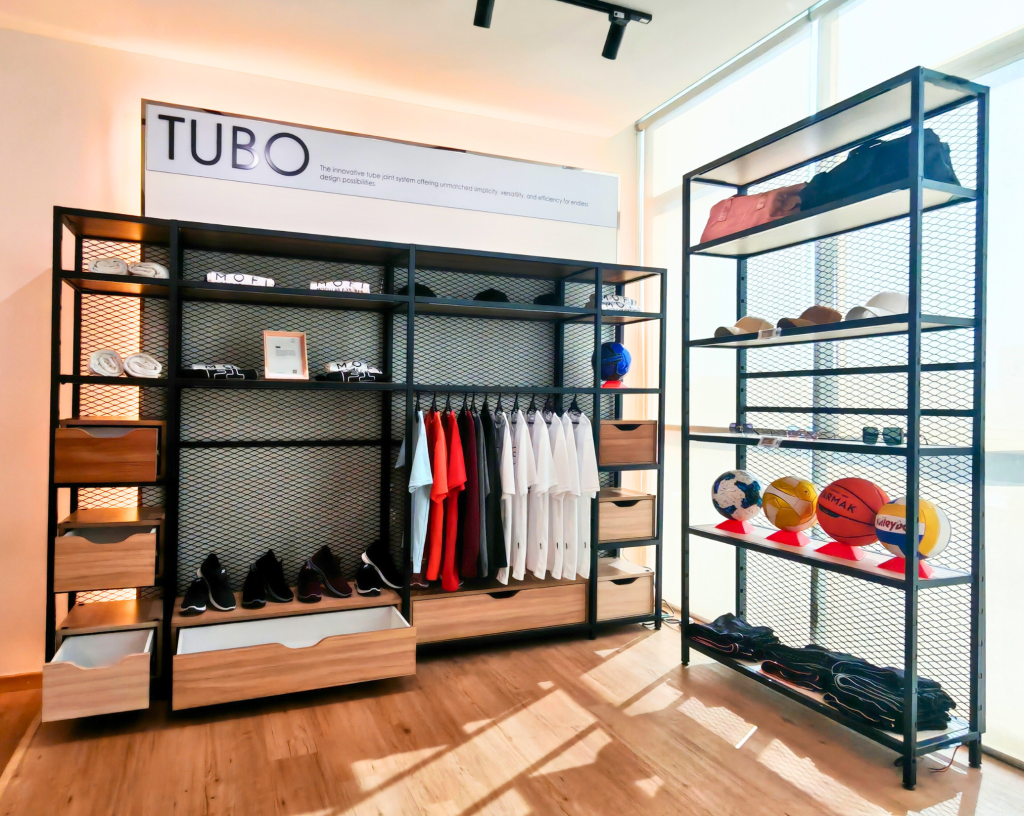
Let’s start with the basics. Modular fixtures are more than just shelves or racks—they’re systems designed with parts that work together and adapt quickly to your layout. Think snap-in panels, tool-free installation, and components that fit into different configurations without needing a full redesign.
For designers, this flexibility unlocks more than just creative freedom. It offers a practical way to meet fast-moving deadlines without compromising on concept. Whether you’re planning for a corner retail booth or a full-sized store environment, modular fixtures ensure your ideas can be realised faster.
The Advantage at Every Stage
The value of modularity isn’t just in how it looks. It’s in how it works across all stages of the store build.
- In design: Modular systems let you plan with real dimensions and test multiple layouts before committing. This makes it simple to present clear options to clients or explore creative concepts without redrawing the plan each time.
- In setup: Quick, low-tool assembly means you can go from plan to reality in hours, not days. With modular components designed for easy fit, your team can spend more time perfecting the in-store experience.
- Post-launch: Reconfigurable layouts make adapting to change fast and cost-effective. Whether it’s switching a seasonal display or adding new product categories, modular fixtures make it possible in a single afternoon.
With modular systems like MOFI’s LOLA and CUBICO, your store stays ready for whatever comes next, no matter how often things change.
A Modular Fixture Speeds Up Decision-Making Too
Beyond just logistics, one of the biggest time-savers in a project is clarity. A modular fixture system gives you that. When you work with a clear set of parts and predictable measurements, you can move through approvals, pricing, and design milestones faster.
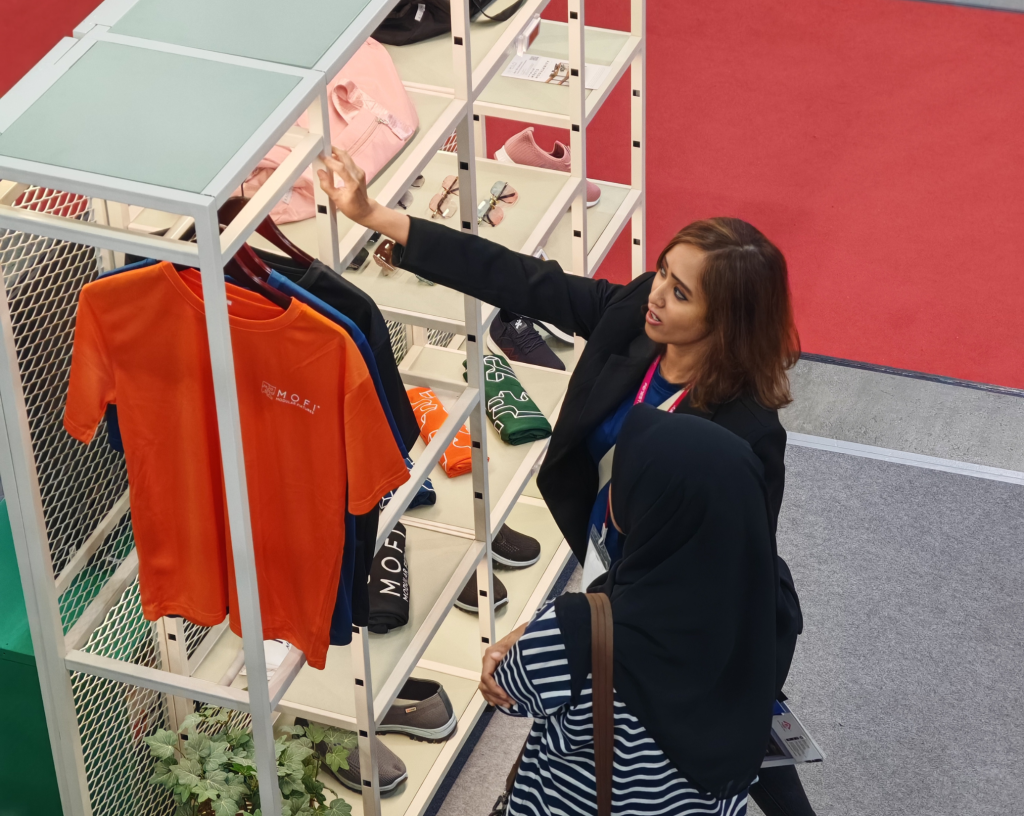
It’s especially useful for clients who are visual thinkers. Instead of only showing renders, you can bring in real samples, build a mockup, or even create a small test installation. That confidence builds trust—and helps speed up the green light.
Better Collaboration Across Teams
Modular systems aren’t just easier for designers. They’re easier for everyone involved in a rollout. Your visual merchandisers, builders, and even maintenance staff all benefit from knowing the system inside out. It reduces the risk of error, delays, or costly changes midway through a project.
Brands like Uniqlo, for instance, maintain a highly standardized approach across global stores — using modular-like planning to streamline everything from fixtures to visual guidelines. When everyone speaks the same modular “language,” communication flows more smoothly. That’s a win not just for speed, but for the quality of the final result too.

Design comes to life when the layout clicks — and with modular fixtures, that moment arrives faster. By giving teams the freedom to build, test, and adapt layouts without starting from scratch, these systems keep the project moving smoothly from concept to completion. It’s not just about saving time. It’s about unlocking flexibility, improving collaboration, and making the layout phase smoother for everyone involved.
Industrial Engineering students at Telkom University Surabaya are studying articles on the use of modular fixtures to accelerate retail layout processes, spanning the design, installation, and post-launch management stages. Modular systems—such as snap-in panels and components designed for tool-free installation—help simplify the process, offer adaptability, and enhance overall time efficiency.